
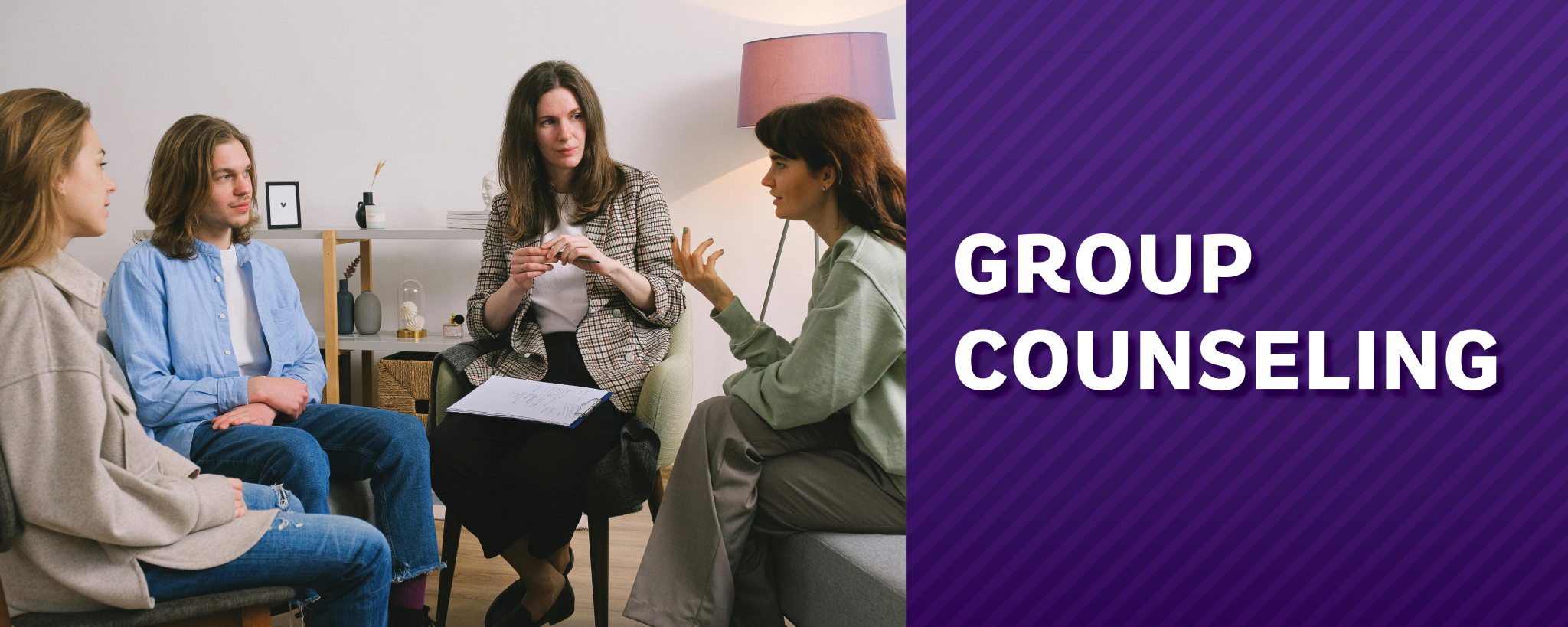
About Group Counseling
The UCA Counseling Center incorporates group counseling as a part of treatment. For many students addressing their challenges within a group setting can the most helpful form of counseling. Group counseling is helpful to many students given that they are provided the opportunity to interact with others who have similar life experiences. Validation and feedback can be immediate allowing for quick growth in a safe and supportive environment. Group counseling also gives you the opportunity to practice new behaviors, gain feedback from peers, and learn from their experiences. Most importantly, you will recognize that you are not alone. For general information regarding groups please call (501) 450-3138.
_______________________________________________________________________________________________________________________________________
Common Misperceptions About Group Therapy
- I will be pressured to share my deepest thoughts and feelings with the group. You control what you share and how much. Participants share when the group feels safe. Participants vary and some will share quicker that others. While waiting to share you can listen.
- I have trouble talking to people. Many participants are anxious about sharing in a group. As a participant begins to feels safe, and recognize how much they have in common with other participants, they begin to share. Group participants are often very supportive and affirming.
- Group therapy will take longer than individual therapy. Group therapy can be very efficient. During those groups in which you do not share you learn about yourself through listening. Group participants also bring up subjects that you have not thought about and can help you gain insight.
What to Do to Get the Most Out of Group Counseling
- Be yourself. Start from where you are, not how you think others want you to be. This might mean asking questions, expressing anger, or communicating confusion and hopelessness. Growth starts with you sharing in the group.
- Recognize and respect your pace for getting involved in the group. Some group members will easily be ready to disclose their thoughts and feelings; others need more time to gain feelings of trust and security. By respecting your needs you are learning self-acceptance. If you are having a difficult time with how to discuss your problems with the group, then ask the group to help you.
- Recognize and express thoughts and feelings. Learning to express yourself fully, without censorship, enables exploration and resolution of interpersonal conflicts and self affirmation.
- Give and receive feedback. Giving and receiving feedback is a major aspect of group therapy. Feedback should be concrete and specific, brief , and represent both your thoughts and feelings. Feedback is not necessarily the same as advice. Feedback represents your thoughts and feelings and given to provide additional information or another point of view, not as a suggestion or recommendation as to what another member should do.
- Become aware of distancing behaviors. All of us have ways of behaving which prevent others from getting close to us such as remaining silent and uninvolved, telling long involved stories, responding to to others with intellectual statements, and talking only about external events. As you become more involved in group you will have the opportunity to identify what you do to distance yourself from others. The question you will face is whether the behavior is preventing your from getting what you want such as close relationships with people.
- Growth takes times, effort and patience. Changing what has become such an integral part of ourselves is very difficult. By having patience with ourselves and accepting and understanding these blocks to growth, we set the foundation for growth and change.