UCA in Costa Rica: Occupational Therapy and Nursing
When I was applying for the study abroad program and this grant, people constantly described the experience as “life-changing” and a “once-in-a-lifetime opportunity.” At the time, those phrases sounded encouraging, but it was difficult to fully understand what they meant. Before leaving, I was excited about the opportunity to travel, learn, and serve, but I could not truly appreciate the impact the experience would have on me until I lived it myself. Now that I have returned, I can confidently say that those descriptions were accurate. This experience challenged me academically, professionally, and personally in ways I never anticipated. I feel incredibly grateful for the opportunity and can honestly say that it has changed how I view healthcare, culture, and my future nursing practice.
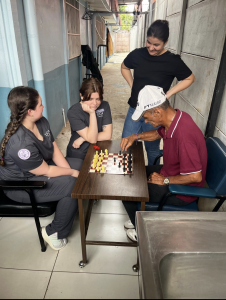
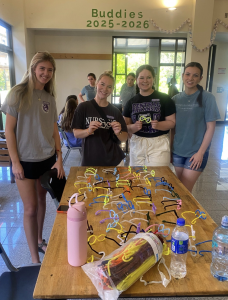
One of the values emphasized by the Schedler Honors College is interdisciplinary learning. Throughout this trip, I was surprised by how much I learned from disciplines outside of nursing, particularly occupational therapy. Before this experience, I understood occupational therapy in a general sense, but I had not fully appreciated the breadth of its impact on health and wellbeing. Watching occupational therapy students adapt activities so that individuals of varying abilities could participate highlighted the importance of inclusion and creativity in healthcare. I learned that promoting health is not only about treating illness but also about helping individuals engage meaningfully in daily life, relationships, and their communities.
This realization broadened my perspective as a nursing student. Nursing education often focuses on assessment, treatment, and patient outcomes, but this experience reminded me that quality of life is equally important. I saw firsthand how thoughtful adaptations and collaborative planning could create opportunities for participation and connection. Whether working with children, older adults, or even centenarians, the goal was not simply to complete an activity but to ensure that everyone felt valued and included. This reinforced the importance of patient-centered care and reminded me that healthcare professionals must think creatively to meet the unique needs of each individual.
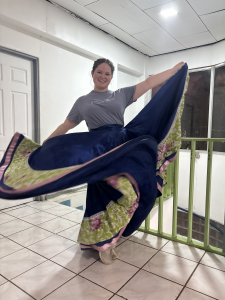
The trip also deepened my understanding of culture and its influence on healthcare. As a nursing student, I am learning that health and healthcare are shaped by much more than physical symptoms or medical diagnoses. Culture, language, traditions, family dynamics, and personal beliefs all influence how people experience health and illness. Being immersed in a different culture allowed me to observe these influences in a way that a classroom never could. I had opportunities to interact with individuals whose backgrounds, customs, and perspectives differed from my own, and these interactions challenged me to become more open-minded and adaptable.
One of the most meaningful aspects of the experience was navigating communication across language barriers. Although communication was sometimes challenging, I quickly learned that connection is possible even when people do not share the same language. Simple gestures, patience, active listening, and a willingness to learn from one another often communicate more than words alone. These experiences taught me that effective communication in healthcare requires flexibility and empathy. As a future nurse, I know that I will care for patients from many different cultural and linguistic backgrounds. This experience has made me more aware of the importance of cultural humility and the need to continually learn about the people I serve.
Additionally, this experience exposed me to differences in healthcare resources, organizational structures, and approaches to care. Observing these differences encouraged me to think critically about healthcare systems and the factors that influence patient outcomes. It reminded me that there is no single or ‘right’ way to approach healthcare and that every system has strengths and challenges. Reflecting on these differences expanded my understanding of global health and strengthened my ability to evaluate healthcare practices from multiple perspectives. This broader outlook will help me become a more thoughtful and adaptable nurse.
Beyond the academic and professional lessons, this experience was simply enjoyable and deeply meaningful. Immersing myself in another culture, hearing another language every day, and building relationships with people from different backgrounds made the experience unforgettable. I returned home with new knowledge, new friendships, and a greater appreciation for the diversity of the world around me. Most importantly, I returned with a stronger sense of empathy and a deeper commitment to understanding others.
Looking back, I now understand why so many people described this opportunity as life-changing. It challenged me to step outside of my comfort zone, expanded my worldview, and reinforced the values that drew me to nursing in the first place. I feel honored to have had this experience, and I know the lessons I learned will continue to influence both my personal growth and my future nursing practice for years to come.
Aly Sundermeier
Nursing
Summer 2026
TAG grant